We'll be straight with you. We carry fewer light meters than we used to. But the ones we still offer cover the two jobs that come up most: checking light levels on the spot, and keeping a record of light exposure over time. Here's how those work and where they're used.
What a light meter actually measures
A general-purpose light meter reads illuminance, which is the amount of light landing on a surface. In the U.S. that's usually shown in foot-candles (fc). Most of the rest of the world uses lux. One foot-candle is about 10.76 lux, so converting a spec from one to the other is simple.
The sensor is a photodiode behind a filter that makes it respond to light roughly the way the human eye does. Better meters also correct for light hitting the sensor at an angle. That's why many put the sensor on a separate handheld probe. You can hold it flat at desk height or inside a display case and read the meter somewhere comfortable.
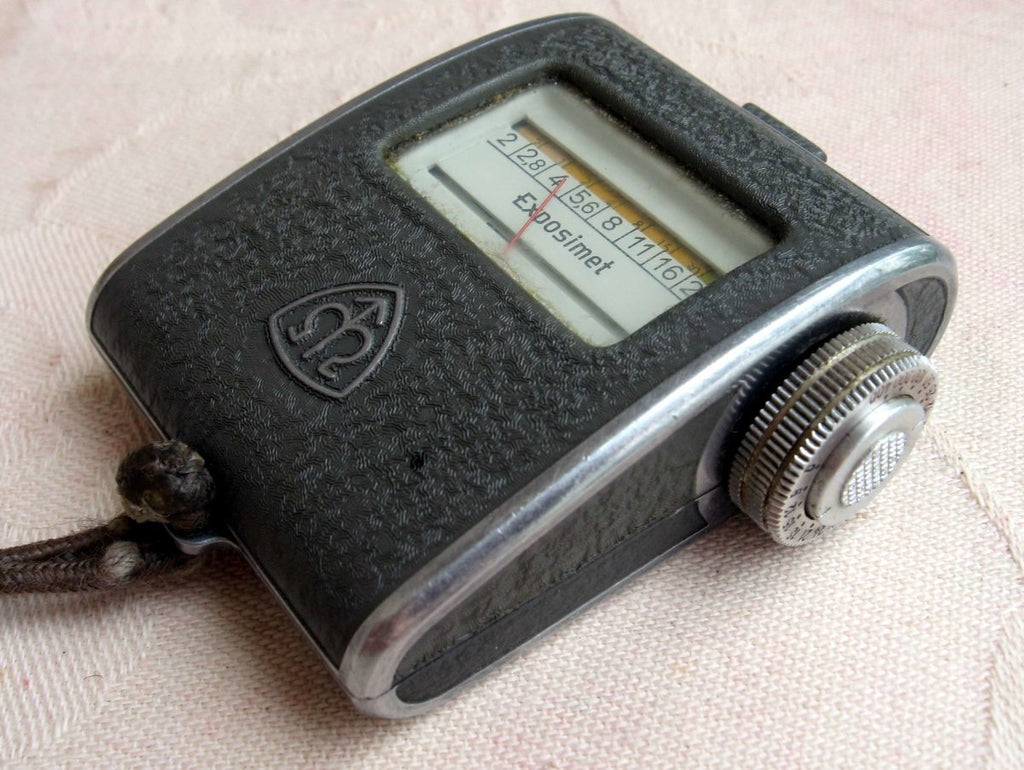
Photographers' exposure meters are a related but different tool. They turn a light reading into camera settings, and they're not something we sell.
Where people use them
Facility managers and safety staff check that work areas, stairwells and warehouses are lit well enough for the work done there. Lighting designers and electricians confirm that a new install delivers what the plan called for. Growers sometimes use them for a rough check on the light reaching plants, though a foot-candle meter is tuned to human vision, not to the light plants use to grow.
Museums, archives and libraries are a special case. Light fades fabric, paper, photographs and pigments, and the damage adds up. So a single reading isn't enough. What matters is the total exposure over weeks and months, and that's where a light data logger comes in.
What we offer today
For spot checks, the LX-100F light meter has a separate hand-held probe and two ranges, 0 to 200 fc and 200 to 1,999 fc, with accuracy of plus or minus 5%. It's a simple, practical meter for checking a room or a work surface.
For monitoring over time, the RTR-574 data logger records illuminance and UV along with temperature and humidity. It also keeps a running total of light and UV exposure that you can check without stopping the recording. That mix is handy in galleries, archives and storage areas, where light, heat and humidity all affect what's being kept. It works as part of a wireless system and needs a compatible base unit, so give us a call before you order and we'll make sure you have everything.
Not sure whether you need a meter or a logger? Ask yourself what you'll do with the number. If it's a one-time check, get a meter. If someone will want to see the history later, go with a logger.
Calibration questions on an instrument you already have? Call and ask for ext 3, or start with our calibration and repair form.